What is Coercive Control?
The Hidden Pattern of Abuse Australia Is Naming in Law
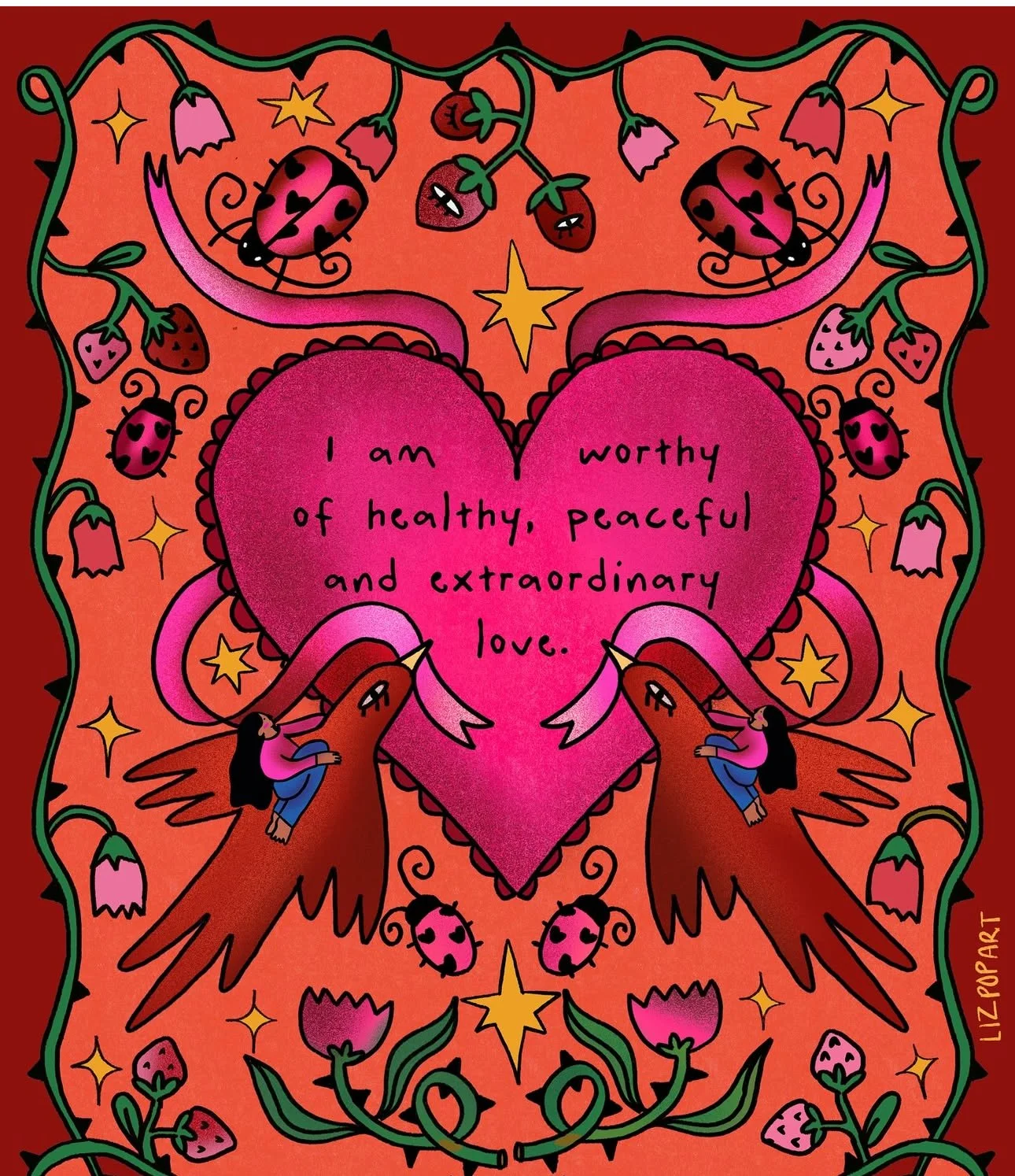
Illustration By: @lizipop_art
Coercive control does not fit the stereotype many people hold about abuse. It can be subtle, often framed as care, protection, or concern, but underneath, it is about power.
In my work as a therapist, many women come to therapy believing the anxiety lies within them, that they are the problem to be fixed. As we unpack what is happening around them, a different picture starts to form:
Anxiety can be the body’s signal that something in the environment does not feel safe.
Exhaustion can be the nervous system’s response to staying on alert for too long.
Overthinking can be vigilance, the mind trying to predict the next rule, reaction, or criticism.
When we look at the relationship context, the symptoms make more sense.
If any of this feels familiar, it does not mean you are dramatic, too sensitive, or imagining things. It often means your body has been working hard to cope with ongoing stress.
Coercive control is now a criminal offence in New South Wales, Queensland and South Australia, where patterns of controlling behaviour in intimate partner relationships have been recognised in law as a form of domestic and family violence. Other states and territories are continuing to review how best to respond, including possible legal reforms.
What Coercive Control Looks Like
Coercive control is not one argument or one bad day.
It is a pattern of behaviour that gradually limits a person’s independence and sense of safety.
In therapy, women often describe experiences such as:
Being questioned about where they go, who they see, or how long they are out.
Having their phone, messages or social media checked.
Being told their feelings are wrong, exaggerated or made up.
Having money, transport or access to basics tightly controlled.
Being pressured with guilt, blame or jealousy to change decisions.
Being ignored, criticised or shut out when they try to set a boundary.
Over time, ordinary choices start to revolve around “How will they react?” rather than “What do I want or need?”.
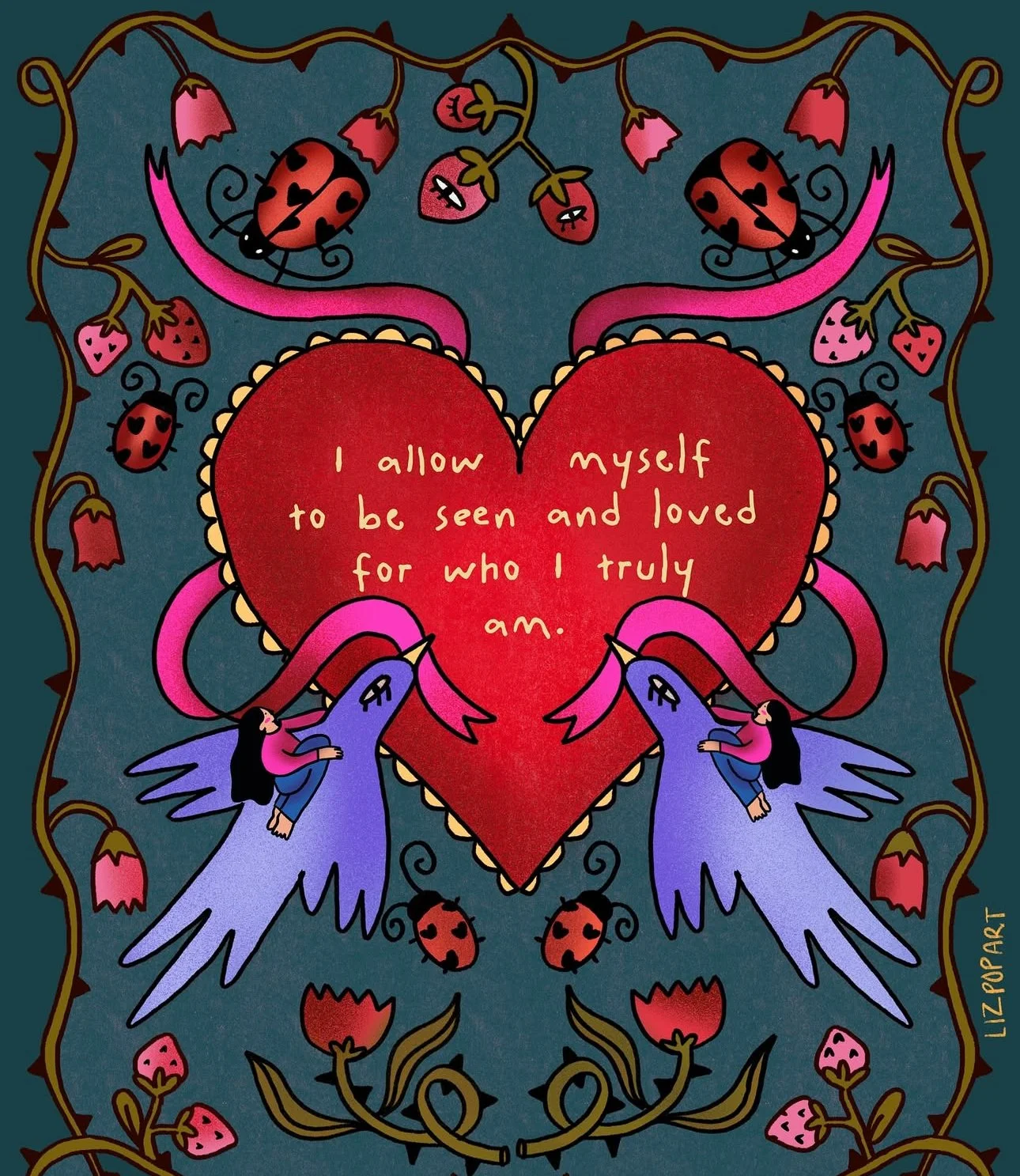
Illustration By: @lizipop_art
How It Can Affect Your Mental Health
When someone else’s reactions determine whether home feels calm or tense, your nervous system adapts. You monitor, you anticipate, and you adjust yourself to try to prevent conflict.
You might notice:
Feeling on edge at home, even when nothing obvious is happening
Trouble relaxing or switching off, no matter how tired you are
Doubting your own judgement, memory or sense of reality
Withdrawing from friends, family or activities you used to enjoy
Feeling responsible for managing the other person’s mood
A sense that you have become smaller or less confident over time
Research links coercive and controlling behaviours with increased anxiety, depression and trauma related symptoms. These reactions are common in people who have been exposed to ongoing control and fear.
These are not character flaws. They are understandable responses to long term pressure and control.
Recognising The Pattern
Coercive control often becomes clearer in hindsight. It usually builds slowly and can be easy to minimise while you are living it.
Women sometimes say things like:
“I apologise all the time, even when I have not done anything wrong.”
“I plan what I say to avoid setting them off.”
“I do not feel free to make basic decisions anymore.”
“I am not the same person I used to be.”
Noticing these patterns is not about forcing yourself into a big decision. It is about understanding why you feel the way you do and acknowledging that the situation is affecting your mental health.
Clarity is a form of protection.
What Supports Change
There is no single correct way to respond to coercive control. Safety comes first, and each person’s circumstances are different.
Some steps that can support you include:
Talk to someone who will take you seriously
This might be a trusted friend, a GP, or a therapist. Saying what is happening out loud can help reduce shame and confusion.
Contact a specialist domestic and family violence service
Services such as 1800RESPECT can help you assess risk, think through options, and develop a safety plan if needed. You do not have to figure this out on your own.
Keep a brief record, but only if it is safe
Some people find it useful to note dates, incidents or patterns to help make sense of what is happening. If there is any risk that these notes could be discovered, it is safer not to record anything and instead talk directly with a professional or support service.
Re-engage in small decisions
When so many choices have been shaped by fear, small decisions can matter. For example, choosing what you listen to, what you wear at home, or how you spend a short block of time. These are not solutions on their own, but they can remind you that your preferences and needs still exist.
In session, when a woman recognises that what she is describing is coercive control or domestic violence, I will often say:
“It is time to get your power back.”
The response I usually hear is a strong exhale and a clear, “Yes. I want my life back.”
That moment does not mean everything must change at once. It marks the point where her safety, autonomy and mental health become central in the conversation again.
Moving Forward
Regaining a sense of control over your life is usually a gradual process, not a single decision.
Changes might include:
Feeling more confident in your own perception of events
Reconnecting with people who are supportive and safe
Making more independent choices about daily life
Noticing that fear and tension begin to lessen over time
Trauma informed therapy can help you make sense of what has happened, support your nervous system to settle, and strengthen your confidence in your own judgement and boundaries, always at a pace that feels manageable for you.
You deserve relationships where you can be yourself without fear of punishment or control.
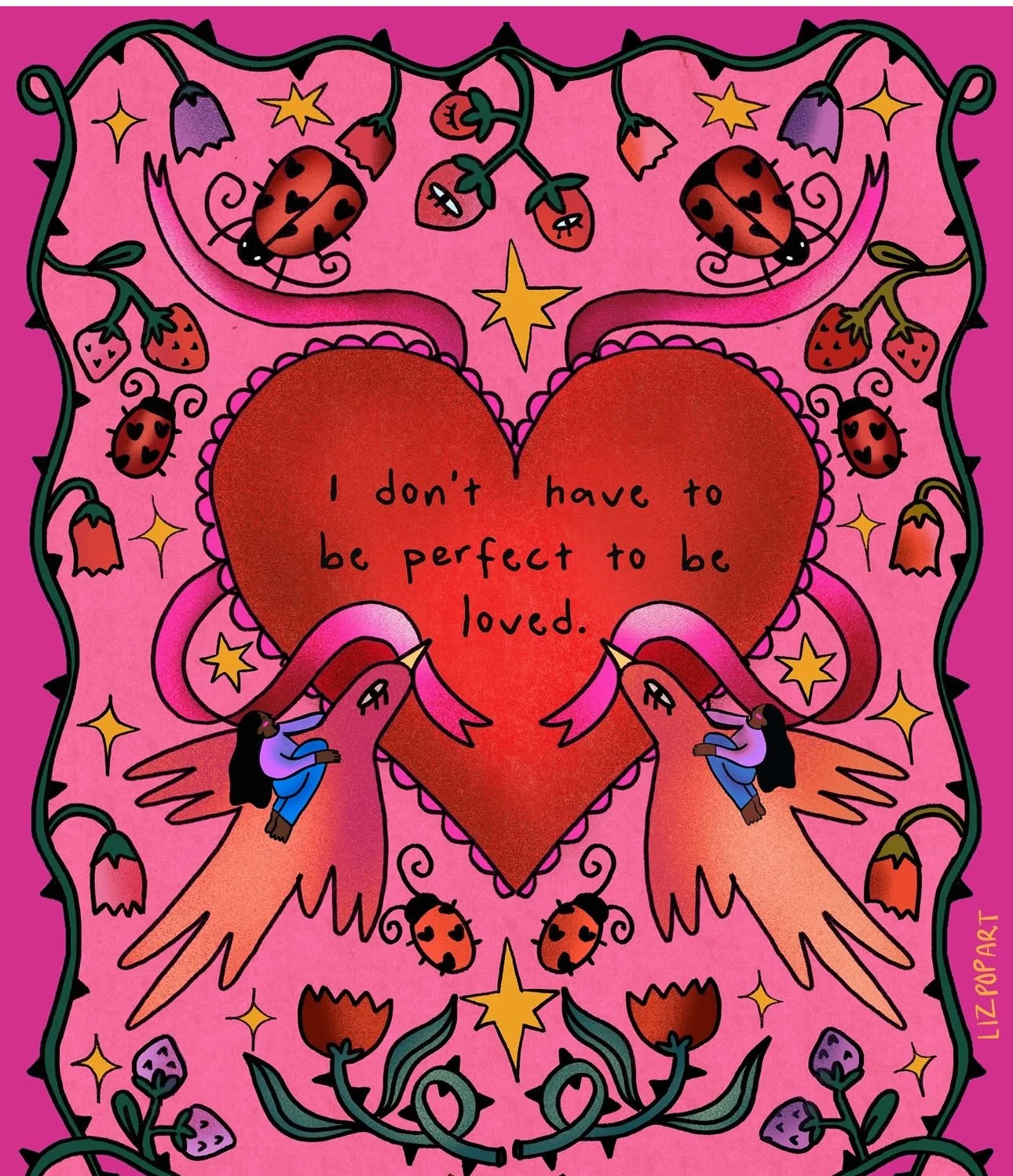
Illustration By: @lizipop_art
If This Resonates
If you recognise any part of your own life in this description, please know:
You did not cause someone else’s controlling behaviour.
Your reactions make sense in the context you have been living in.
You are allowed to seek support and to prioritise your own safety and wellbeing.
If you are in Australia, you can contact:
1800RESPECT (1800 737 732) for free, confidential, 24 hour support.
You do not have to go through this alone.
Affirmations
“My voice matters, and I am learning to trust it again”.
“I am allowed to take up space and be fully myself”.
“My safety, my choices, and my wellbeing matter”.
“I have the courage to step away from what hurts me”.
“I do not need to shrink to be loved”.

Instagram Page: @anikabull_therapy
Author’s Note
Hi, I’m Anika — a therapist, writer, mum and the founder of my private counselling practice, Anika Bull Therapy. The Feels Corner is where I share honest reflections on mental health and the very real inner experiences we move through as humans, the doubts, the hopes, the shifts that shape us.
I write to remind you that your inner world deserves care. Your dreams and the life you imagine for yourself are not out of reach and it is never too late to release old stories, soften self-criticism, and begin treating yourself with more compassion and trust.
If even one piece of writing offers a moment of comfort or connection, I’m grateful you’re here — reading, breathing, growing, right alongside me. You can find more of my work on Instagram at @anikabull_therapy, where I share content from the heart for this brave, messy, beautiful growth journey we’re on.
This article is for information and reflection. It is not a substitute for individual legal advice or therapy. If you are concerned about your safety or unsure about what to do next, please reach out to a specialist domestic and family violence service or a trusted professional for support that fits your situation.